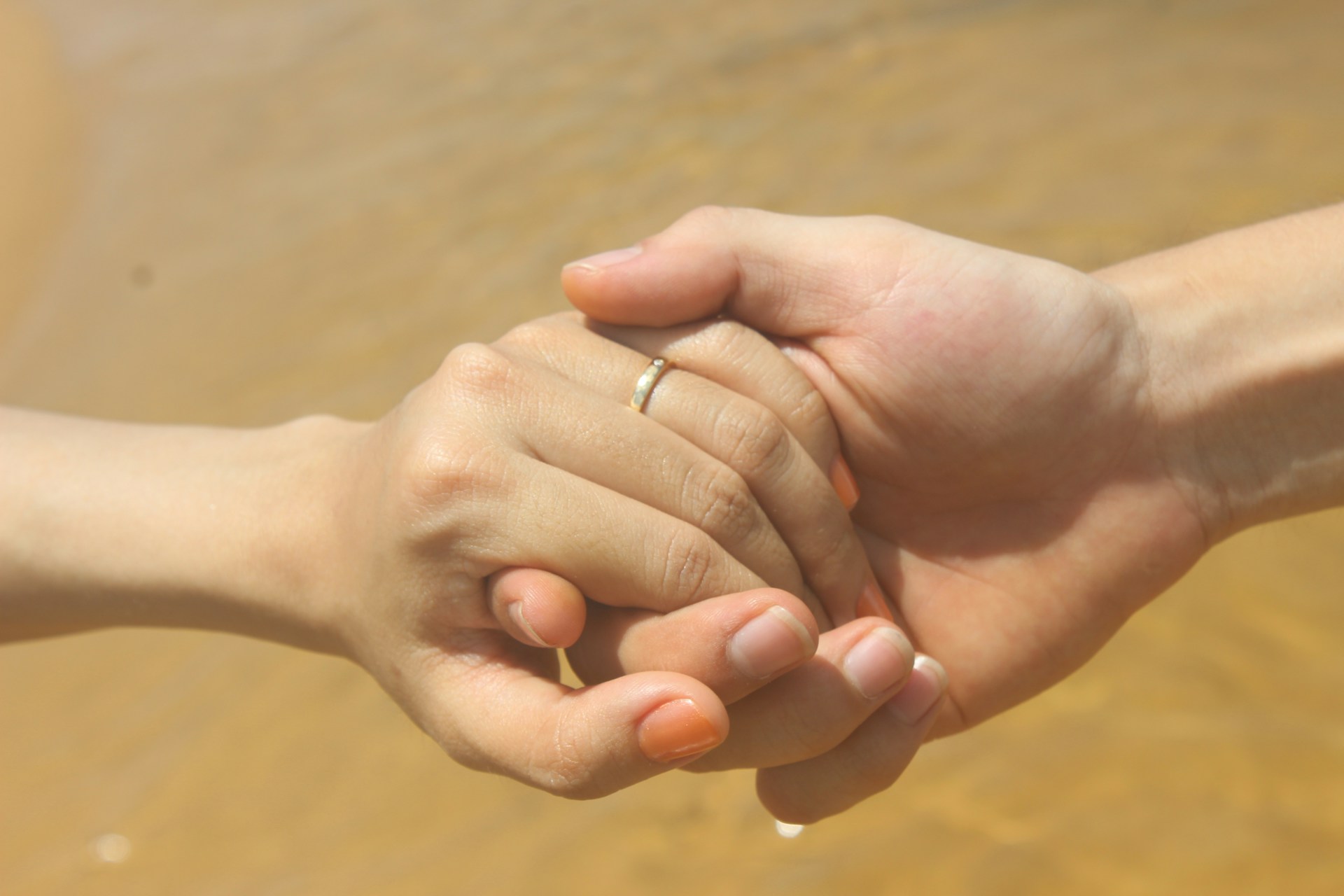
Every relationship experiences ups and downs, but counseling for relationship challenges can provide the tools and guidance needed to navigate difficult seasons together. Whether you’re struggling with communication, trust, conflict, intimacy, or major life transitions, therapy offers a safe and supportive environment where both partners can better understand one another and work toward lasting change.
Healthy relationships don’t happen by accident. Instead, they grow through intentional communication, empathy, and a willingness to address problems before they become overwhelming.
Why Do Relationship Challenges Happen?
No two relationships are exactly alike. However, many couples encounter similar obstacles throughout their lives together. Sometimes these issues develop gradually, while other times they arise suddenly after a major life event.
Common relationship challenges include:
- Poor communication or frequent misunderstandings
- Recurring arguments about the same issues
- Loss of emotional or physical intimacy
- Trust concerns after betrayal or dishonesty
- Parenting disagreements
- Financial stress
- Work-life imbalance
- Major life transitions such as marriage, moving, or retirement
- Anxiety, depression, or trauma affecting the relationship
Although these challenges can feel discouraging, they do not necessarily mean the relationship is beyond repair. In many cases, they simply indicate that new skills and perspectives are needed.
How Counseling for Relationship Challenges Can Help
Seeking therapy is not a sign of failure. On the contrary, it demonstrates a commitment to improving your relationship and investing in your future together.
During counseling, couples learn how to:
- Communicate more openly and respectfully
- Listen without becoming defensive
- Understand one another’s emotional needs
- Resolve conflict in healthy, productive ways
- Rebuild trust after difficult experiences
- Strengthen emotional and physical connection
- Develop practical strategies for handling future disagreements
Rather than focusing on assigning blame, therapy encourages both partners to work as a team toward shared goals.
Improve Communication Before Problems Escalate
Communication is often at the center of relationship struggles. Unfortunately, many couples fall into patterns where conversations quickly become arguments or one partner withdraws completely.
Counseling helps identify these unhealthy communication cycles and replaces them with healthier habits.
You may learn how to:
- Express concerns without criticism
- Use active listening techniques
- Validate each other’s emotions
- Set healthy boundaries
- Address conflict calmly instead of reacting impulsively
As communication improves, many couples discover that even difficult conversations become more productive and less emotionally draining.
Rebuilding Trust Takes Time—and Support
Trust can be damaged for many reasons, including infidelity, broken promises, secrecy, or repeated disappointments. Rebuilding trust requires honesty, consistency, and patience from both partners.
A therapist provides a neutral space where difficult conversations can happen safely. Together, couples can explore what happened, understand its impact, and begin creating realistic steps toward healing.
While rebuilding trust rarely happens overnight, many couples find that guided counseling helps restore hope and connection.
Managing Stress Together
External stress often affects relationships more than people realize. Financial pressures, career changes, raising children, caring for aging parents, or health concerns can all increase tension at home.
Instead of allowing stress to create distance, counseling helps couples:
- Support one another during difficult times
- Improve teamwork
- Reduce resentment
- Develop healthier coping strategies
- Maintain emotional connection despite outside pressures
Learning to face challenges together often strengthens the relationship over time.
Every Relationship Deserves Individualized Care
Every couple brings a unique history, personality, and set of experiences into therapy. Therefore, effective counseling avoids one-size-fits-all solutions.
Evidence-based approaches such as Cognitive Behavioral Therapy (CBT), Emotionally Focused Therapy (EFT), mindfulness techniques, and structured communication exercises may be incorporated based on each couple’s goals and circumstances. Treatment is tailored to help partners create meaningful, lasting improvements in their relationship.
When Should You Seek Relationship Counseling?
Many people wait until problems feel overwhelming before reaching out for help. However, counseling can be beneficial long before a relationship reaches a crisis.
Consider seeking support if you notice:
- Arguments becoming more frequent
- Feeling emotionally disconnected
- Difficulty resolving disagreements
- Avoiding important conversations
- Growing resentment
- Loss of trust
- Major life changes affecting your relationship
- Feeling “stuck” despite your best efforts
Early intervention often makes positive change easier and can prevent small concerns from becoming larger ones.
Take the First Step Toward a Stronger Relationship
Improving your relationship begins with one conversation. If you and your partner are ready to better understand one another, strengthen communication, and build a healthier future together, professional counseling can help.
We invite you to contact Counseling Palm Beach to schedule your free initial assessment and learn how therapy can support your relationship goals.
Meet Moira Howard, LMHC
At Counseling Palm Beach, Moira Howard, LMHC, brings more than a decade of clinical experience helping individuals and couples overcome life’s most difficult emotional and relationship challenges. Since beginning her work as a therapist in 2009, she has specialized in treating anxiety, depression, trauma, addiction, and relationship concerns using evidence-based approaches including Cognitive Behavioral Therapy (CBT), EMDR, mindfulness practices, and couples communication techniques. Moira believes lasting change begins by identifying unhelpful thought patterns while developing healthier ways to communicate, connect, and grow. Her warm, authentic, and collaborative approach creates a supportive environment where couples can rebuild trust, improve intimacy, and create stronger, more fulfilling relationships together.
Comments are closed